Gaijatra Festival (Saapaaru): A Celebration of Life and Death in Nepal
Dr. Vidhu Prakash Kayastha

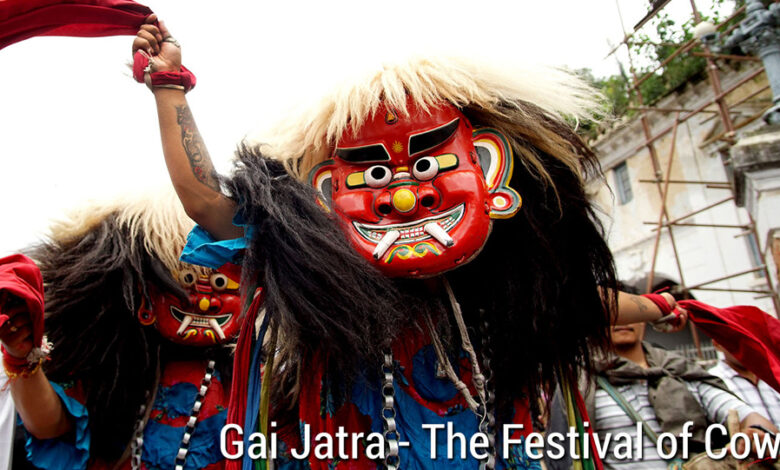
Nepal, a country renowned for its rich tapestry of traditions and festivals, is home to an array of cultural celebrations that reflect its diverse heritage. Among these, Gaijatra, or the “Cow Festival,”, originally known as Saapaaru among the Native Newar Community of the Kathmandu Valley, stands out as a unique and vibrant observance that bridges the realms of life and death. Held annually in the Kathmandu Valley and other parts of Nepal, Saapaaru (Gaijatra) is more than just a festival—it’s a poignant, joyous occasion that provides a space for communal mourning, remembrance, and celebration.
Historical and Cultural Significance
Gaijatra traces its origins back to the reign of King Pratap Malla of the Malla dynasty in the 17th century. The king, reportedly grieving the recent death of his son, was advised by a courtier to organize a festival that would allow people to openly mourn and celebrate their lost ones. The idea was to create a space where grief could be expressed and transformed into a collective celebration of life.
The festival’s name, Gaijatra, literally translates to “Cow Festival” in Nepali. According to tradition, families who have lost loved ones during the past year lead a procession with a cow or a cow-like representation. In Hindu and Buddhist traditions prevalent in Nepal, cows are revered animals believed to carry the souls of the deceased to the afterlife. Thus, the cow symbolizes the journey of the departed souls and serves as a medium for the bereaved to ensure their loved ones find peace in the afterlife.
Celebrations and Rituals
Gaijatra is celebrated during the month of Bhadra (August-September), specifically on the first day of the lunar month of Shrawan. The festival typically lasts for a week, with the main festivities occurring on the first day.
Processions and Parades: One of the most distinctive aspects of Gaijatra is the grand procession. Families who have lost members during the past year lead the parade, often accompanied by decorated cows or symbolic representations of cows. Participants dress in colorful costumes and masks, and traditional music fills the air. The procession is a vibrant mix of solemnity and exuberance, reflecting both the sorrow of loss and the joy of life.
Comic Performances and Satire: Gaijatra is also known for its comedic and satirical performances. In Kathmandu, the festival is marked by street plays, skits, and performances that often tackle social issues with humor. These performances, known as “Gai Jatra dramas,” serve as a form of social commentary and satire, offering a humorous lens through which to view life, death, and everything in between. The comedic elements provide a cathartic release, helping participants deal with their grief and view life’s challenges with a lighter perspective.
Family Gatherings and Feasting: The festival is also a time for family gatherings and communal feasting. Nepali families come together to share meals, exchange stories, and remember the departed. Special foods are prepared, and traditional delicacies are enjoyed in celebration of life’s continuance and the endurance of family bonds.
The Spirit of Gaijatra
Gaijatra is a festival that captures the essence of Nepali culture—where mourning and merrymaking coexist harmoniously. It embodies the belief that death is not an end but a transition, and that life should be celebrated even in the face of loss. The festival provides a space for communities to come together, offer mutual support, and celebrate the lives of those who have passed away with reverence and joy.
In a world where the passage of life and death can often be approached with solemnity and silence, Gaijatra offers a refreshing perspective. It reminds us that grief and joy are intertwined, and that every end carries the seed of a new beginning. Through its lively processions, humorous performances, and communal feasts, Gaijatra stands as a testament to the resilience of the human spirit and the enduring connections that bind us all.
(vidhukayastha@gmail.com)